
Buying an Older Home in Marlborough? 10 Things to Check Before You Sign

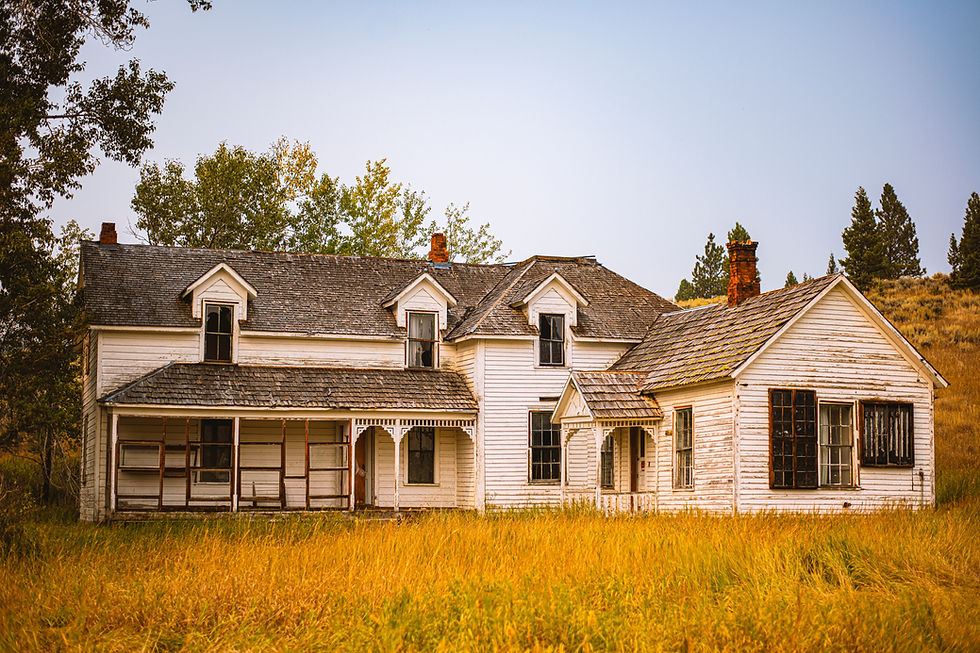
Purchasing your first home is one of the biggest and most exciting financial decisions you'll ever make. While older homes often offer character, larger sections, established gardens, and sought-after locations, they can also hide expensive surprises.
For many first-home buyers in Marlborough, the excitement of finding the perfect property can sometimes overshadow potential issues that lurk beneath fresh paint, updated carpets and tidy landscaping.
Before you sign on the dotted line, here are 10 important things to check when buying an older home in Marlborough.
1. How Do I Know If a Home Has Water Damage?
Water damage is one of the most common and costly problems found in older New Zealand homes.
Look for:
· Water stains on ceilings or walls
· Bubbling paint
· Musty odours
· Mould growth
· Soft flooring
· Swollen skirting boards
· Swollen cupboards in the kitchen/bathroom or bedrooms
Marlborough's mix of hot summers, coastal conditions, and winter rainfall can accelerate wear and tear if homes haven't been properly maintained. Even minor leaks can lead to significant repair costs if left untreated.
2. How Do I Know If an Older Roof Needs Replacing?
The roof is your home's first line of defence against the elements.
Warning signs include:
· Rusted roofing materials
· Missing fixings
· Sagging rooflines
· Moss or lichen growth
· Evidence of patch repairs
Roof replacements can be a significant investment, so understanding the roof's condition before purchase is essential.
3. What's Happening Under the House?
Many buyers focus on what they can see and forget about what's underneath, particularly if the home is older and has a subfloor…think piles, bearers and joists.
The subfloor can reveal:
· Rotting timber
· Moisture problems
· Poor ventilation
· Pest damage
· Foundation concerns
Older homes throughout Blenheim, Picton, Renwick and the surrounding Marlborough areas can often have hidden subfloor issues that aren't obvious during an open home.
4. Is the Home Properly Insulated?
Many older Marlborough homes were built before modern insulation requirements.
Poor insulation can contribute to:
· High power bills
· Cold living conditions
· Condensation
· Dampness
· Mould growth
Ask whether the property has:
· Ceiling insulation
· Underfloor insulation
· Wall insulation
· Double glazing
Improving insulation is often one of the most cost-effective upgrades homeowners can make.
5. Should First Home Buyers Worry About Asbestos?
If the property was built before the 2000s, asbestos may be present.
Common locations include:
· Cladding
· Roofing
· Soffits
· Vinyl flooring
· Textured ceilings
Asbestos is not necessarily dangerous when left undisturbed, but it can significantly increase renovation costs if removal is required. If you're planning future renovations, professional testing may be worthwhile.
6. Is the Plumbing Up to Standard?
Older plumbing systems can become expensive headaches.
Watch for:
· Low water pressure
· Corroded pipes
· Leaks
· Slow drainage
· Outdated plumbing materials
Plumbing upgrades can quickly add thousands to renovation budgets.
7. Is the Electrical System Safe?
Many older homes were not designed for today's electrical demands.
Look for:
· Old fuse boxes
· Limited power points
· Flickering lights
· Exposed wiring
· Lack of modern safety switches
Electrical upgrades are often necessary to support modern appliances and improve safety.
8. Are Cracks a Sign of Structural Problems?
Not all cracks indicate major issues, but some should raise concerns.
Pay attention to:
· Large wall cracks
· Uneven floors
· Doors that stick
· Windows that won't close properly
· Visible foundation movement
If in doubt, seek professional advice before proceeding with a purchase.
9. Were Previous Renovations Consented?
Renovations can add tremendous value to a home, but only if they are completed correctly.
Ask:
· Were building consents obtained?
· Was the work signed off?
· Are records available?
· Who completed the work?
Unconsented renovations can create legal and financial challenges for future homeowners.
10. Will the Home Suit Your Future Plans?
The best first home isn't always the cheapest.
Consider:
· Future family needs
· Renovation potential
· Maintenance requirements
· Section size
· Long-term value
A property that offers flexibility often proves to be the better investment over time.
What We Commonly Find in Older Marlborough Homes
After working on renovation and building projects throughout Marlborough, we have encountered several recurring issues in older homes.
These include:
· Poor or outdated insulation
· Historic water damage
· Ageing roofing materials
· Unconsented alterations
· Outdated electrical systems
· Poor drainage around foundations
· Deferred maintenance that has compounded over time
While these issues don't necessarily mean you should walk away from a property, they can significantly impact renovation budgets and future maintenance costs. Understanding them before purchase allows buyers to make informed decisions.
Red Flags That Should Make You Pause
Not every issue is a deal breaker, but some deserve closer investigation.
Consider seeking professional advice if you discover:
🚩 Significant structural movement
🚩 Ongoing water ingress
🚩 Major foundation problems
🚩 Extensive unconsented building work
🚩 Severe borer damage
🚩 Major roofing failures
These issues can quickly become costly and complex to rectify.
Why a Professional Building Inspection Is Essential
Even experienced homeowners can miss hidden defects.
A professional building inspection can help identify:
· Structural concerns
· Moisture issues
· Maintenance requirements
· Safety risks
· Potential future costs
Compared to the cost of unexpected repairs, a building inspection is often one of the smartest investments a buyer can make.
Local Knowledge Matters
Marlborough homes face unique environmental conditions. Properties near the coast can experience accelerated weathering due to salt exposure, while older homes throughout the region may be affected by decades of sun, wind, and seasonal weather patterns.
Working with local building professionals who understand Marlborough's housing stock can provide valuable insights that go beyond a standard property viewing.
Frequently Asked Questions
Is buying an older home in Marlborough a good investment?
Older homes can offer excellent value, larger sections, and unique character. However, buyers should carefully assess maintenance requirements and potential renovation costs before purchasing.
Should I get a building inspection before buying a house in New Zealand?
Yes. A building inspection can identify structural issues, moisture concerns, and hidden maintenance problems that may not be visible during an open home.
How much does a building inspection cost in New Zealand?
Costs vary depending on the size and complexity of the property, but they are generally a small investment compared to the potential cost of major repairs.
Are older Marlborough homes likely to contain asbestos?
Many homes built before 2000 may contain asbestos. Professional assessment is recommended if renovations are planned.
What are the biggest problems found in older homes?
Common issues include water damage, poor insulation, ageing roofs, outdated wiring, plumbing problems, and unconsented renovations.
Older Homes In Marlborough
Buying an older home in Marlborough can be an excellent investment, but it's important to look beyond the presentation and assess the property's true condition.
Taking the time to inspect carefully, ask questions, and seek professional advice can help you avoid costly surprises and make a confident purchasing decision.
For first home buyers, knowledge is one of the most valuable tools you can bring to the property market. A little extra due diligence today could save thousands of dollars tomorrow.


Comments