
How Much Does a Kitchen Renovation Cost in New Zealand? 2026 Complete Guide

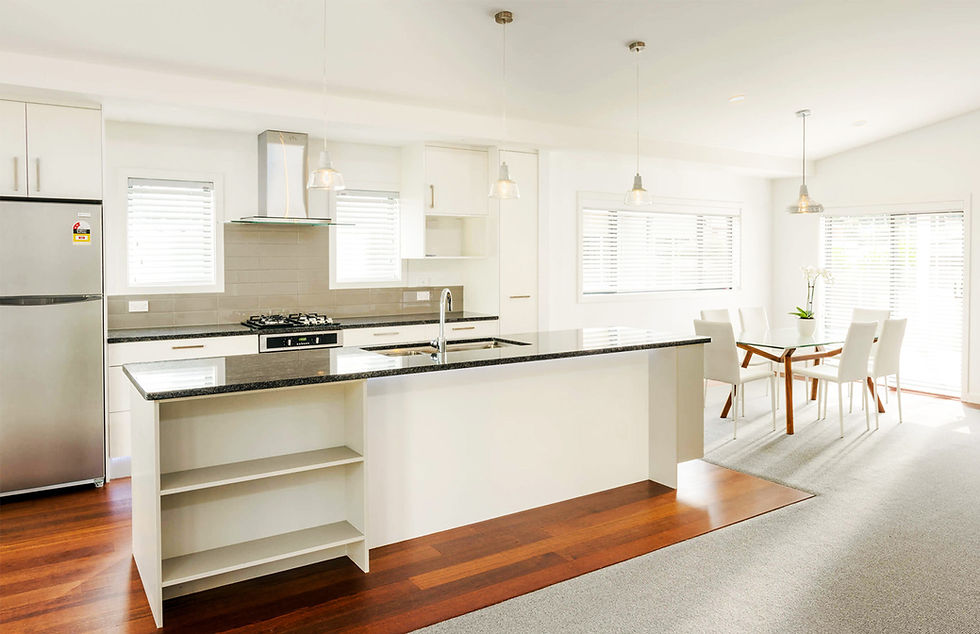
The kitchen might be called the heart of the home, but when it comes time to renovate it, there’s usually another question that comes first:
How much is this actually going to cost?
Kitchen renovation costs in New Zealand can vary enormously. Updating benchtops, cabinetry fronts and appliances while keeping the existing layout is a very different project from stripping a kitchen back to the walls, moving plumbing, opening up the living space and starting again.
That’s why putting a single price on a kitchen renovation can be misleading.
Your final budget will depend on the size of the kitchen, the amount of building work required, cabinetry, appliances, benchtops, electrical and plumbing work, the finishes you select and, importantly, what is discovered once an older kitchen is removed.
This guide looks at kitchen renovation costs in New Zealand in 2026, what you're actually paying for, where budgets commonly increase and how to make smart decisions before work begins.
How Much Does a Kitchen Renovation Cost in New Zealand? The 30-Second Answer
As a general 2026 guide, estimates a kitchen renovation in New Zealand can cost between $25,000 and $75,000, although the final price will depend heavily on the size and scope of the project, the materials and appliances selected, and whether structural, plumbing or electrical changes are required.
A relatively straightforward kitchen replacement that retains the existing layout may sit toward the lower end of the range, while a larger renovation involving custom cabinetry, premium finishes, layout changes or significant building work can push costs toward, or beyond, the upper end.
The biggest influences on the final cost are usually the scope of work, cabinetry, benchtops, appliances, trades, layout changes and material selections. Unexpected issues discovered during demolition can also affect the final budget.
Kitchen Renovation Costs NZ 2026: At a Glance
Type of Kitchen Renovation | Indicative Cost |
Kitchen renovation – general NZ range | $25,000–$75,000 |
More extensive / highly customised renovation | May exceed $75,000 |
Kitchen renovation costs vary depending on the size and scope of the project, cabinetry, benchtops, appliances, materials, trades and whether plumbing, electrical or structural changes are required.
This is also worth remembering: the cheapest-looking kitchen isn't necessarily the cheapest project to build.
A small kitchen requiring structural changes, extensive electrical work and relocated plumbing could cost considerably more than a larger kitchen where the existing services and layout remain largely unchanged.
What Does a Kitchen Renovation Budget Actually Pay For?
It's easy to look around a finished kitchen and see cabinetry, a beautiful benchtop and new appliances.
What you don't necessarily see is everything required to get there.
Depending on the project, a kitchen renovation budget may need to account for:
demolition and removal of the existing kitchen
building and structural work
new cabinetry
benchtops
plumbing
electrical work
lighting
appliances
sinks and tapware
splashbacks
flooring
plastering and painting
ventilation and extraction
installation
council or consent-related costs where applicable
rubbish removal and site management.
There may also be work required before the new kitchen can even be installed.
Removing an older kitchen can expose water damage, deteriorated flooring, outdated wiring, plumbing issues or previous alterations that need attention. These aren't particularly exciting places to spend a renovation budget, but dealing with them properly can matter more to the kitchen's longevity than choosing the latest tap or pendant light.
“It’s easy to look at a finished kitchen and see the cabinetry and benchtop, but there’s a lot of work that happens before any of that goes in. Good planning, preparation and quality workmanship behind the scenes are what make the finished kitchen come together,” says Clayton Cowan, Owner of Cowan Building

Why Can Two Kitchen Renovations Cost So Differently?
You could renovate two kitchens of almost identical size and end up with two very different final costs.
One homeowner might retain the existing footprint, use standard-size cabinetry, choose a practical laminate benchtop and keep the plumbing exactly where it is.
Another might remove a wall to create an open-plan kitchen, relocate the sink, install a large island, choose custom cabinetry and stone benchtops, upgrade lighting and add premium appliances.
They're both technically "kitchen renovations", but they're completely different building projects.
This is why online kitchen renovation averages should be treated as planning guides rather than quotations.
A useful starting point isn't simply asking:
“How much does a new kitchen cost?”
It's asking:
“What do I want to change about my existing kitchen?”
That distinction helps determine whether you're looking at a cosmetic update, a replacement kitchen or a much larger home renovation involving the kitchen.
Before Setting Your Kitchen Renovation Budget
Before falling in love with a particular benchtop or scrolling through kitchen inspiration for hours, think about how you actually use the room.
Ask yourself:
What doesn't work in our current kitchen, and what doesn’t?
Perhaps there's nowhere to prepare food when everyone is home. Maybe storage is terrible.
The fridge interrupts the main walkway. There aren't enough power points. The kitchen feels disconnected from the living area. Or maybe everything functions perfectly well…it just looks twenty years out of date.
Identifying the problem you're trying to solve can prevent money from being spent on changes that look impressive but don't make the kitchen any better to live with.
A good renovation should ultimately make the kitchen work better for the people using it. And sometimes that means spending more in one area and considerably less in another.
What Affects the Cost of a Kitchen Renovation in New Zealand?
Once you start planning a kitchen renovation, it quickly becomes clear why there is such a wide range in pricing.
Two kitchens might have the same footprint but completely different budgets. The difference often comes down to what needs to happen around and behind the new kitchen, as well as the products you can see.
Understanding these individual cost drivers can also help you decide where your renovation budget matters most.
1. Kitchen Cabinetry
Cabinetry can represent a significant portion of a kitchen renovation budget, particularly when you're opting for a fully customised design.
The cost can be influenced by:
the number and size of cabinets
custom versus modular cabinetry
drawer systems and internal hardware
cabinet finishes
handles or handleless designs
pantry configurations
integrated appliance cabinetry
specialised storage solutions.
A simple run of standard cabinetry will naturally cost less than a kitchen filled with deep drawers, pull-out storage, integrated appliances and floor-to-ceiling cabinetry.
But cabinetry is also an area where good planning can make an enormous difference to how the kitchen functions.
More cupboards aren't necessarily the answer. Sometimes better-designed storage is far more useful than simply adding more.
“Good kitchen design isn’t about squeezing in as many cupboards as possible. It’s about understanding how the family uses the space, where they cook, what they need to store and how people move through the kitchen. Sometimes smarter storage and a better layout will give you far more than simply adding another cupboard,” Clayton says.
2. Kitchen Benchtops
Few choices change the appearance of a kitchen as quickly as the benchtop, and there can also be a considerable difference in price between materials.
Options available to New Zealand homeowners include:
laminate
timber
stainless steel
engineered or manufactured surfaces
porcelain
natural stone and other premium surfaces.
Beyond the material itself, the amount of benchtop required matters too.
A large kitchen island, waterfall ends, unusual shapes, thicker profiles and detailed fabrication can all add to the final cost.
This is one area where it's worth looking beyond what's currently fashionable. A benchtop needs to cope with years of cooking, cleaning, spills, heat and everyday family life, so durability and maintenance should sit alongside appearance when you're making your choice.
3. Appliances
Appliances can take a surprisingly large bite out of the budget if you don't consider them early.
A kitchen may need:
oven
cooktop
rangehood
dishwasher
refrigerator
microwave
waste disposal unit
wine fridge or additional refrigeration.
At the premium end, homeowners may also choose double ovens, induction cooking, integrated refrigeration or appliances concealed behind cabinetry.
There's nothing wrong with investing in appliances you'll genuinely use. The trick is deciding what's important before designing the kitchen around them.
Changing appliance specifications later can potentially affect cabinetry dimensions, electrical requirements, ventilation and installation.
4. Plumbing and Drainage
Keeping your sink and dishwasher reasonably close to their existing plumbing can help control costs.
Moving them across the room or into a new island may require additional water and waste connections and, depending on the home, access beneath the floor.
The same applies if you're adding features such as:
a second sink
filtered water
an ice-making refrigerator
a boiling-water tap
additional dishwasher drawers.
Individually, these can seem like small additions. Together, they can change the project's plumbing requirements considerably. That is why deciding on the kitchen layout before construction begins matters so much. This is where budgets often get blown out, so it’s imperative you think through all the features you want to include before construction begins.
Changing plans mid-construction can and will add to your budget.
5. Electrical Work and Lighting
Older kitchens weren't designed for the number of electrical appliances many households use today.
Think about what might be plugged in during a normal morning:
Coffee machine
Toaster Kettle
Air fryer
Blender
Phone charger
Computers
Then add the oven, cooktop, dishwasher, refrigerator and rangehood.
A renovation is an opportunity to consider whether the existing electrical setup suits the new kitchen, rather than simply replacing old power points with new ones.
Your project might include:
additional power points
dedicated appliance circuits
upgraded wiring
under-cabinet lighting
pendant lighting
recessed lighting
power or USB outlets around an island
switches relocated to suit the new layout.
Electrical work must be completed by appropriately qualified professionals, and requirements will depend on the individual project.
6. Changing the Kitchen Layout
This is where a kitchen renovation can begin turning into a much larger building project. If the new kitchen stays within the existing footprint, the work may be relatively straightforward.
But maybe you're renovating because the current layout simply doesn't work.
You might want to:
remove a wall
widen an opening
create an open-plan kitchen and living area
install new doors or windows
move the kitchen into another part of the house
add a large island
alter the ceiling or flooring
add a larger fridge/freezer
Structural alterations can introduce engineering, building work and potentially consent requirements that wouldn't apply to a straightforward kitchen replacement.
That doesn't mean you shouldn't change the layout. Sometimes changing the structure is exactly what transforms the way an entire home works. It simply needs to be factored into the scope and budget from the beginning.
“When you renovate a kitchen, it’s worth looking beyond the kitchen itself. Changing a wall, widening an opening or rethinking the layout can completely change how the kitchen connects with your dining and living areas. Sometimes one well-planned change can improve the way the whole home feels and functions.”
7. Flooring
Here's one that's easy to forget when looking at a kitchen quote. What happens to the floor?
If the footprint of the cabinetry changes, areas previously hidden underneath cabinets may suddenly become exposed.
Depending on what's already there, homeowners may choose to:
retain the existing flooring
repair or patch it
refinish timber floors
tile the kitchen
install new flooring throughout
extend the same flooring into adjoining living areas.
That last option can make an open-plan renovation look beautifully cohesive, but it also means your “kitchen flooring” budget may suddenly cover a considerably larger area of the house.
8. Splashbacks, Painting and Finishing Work
The finishing touches may look minor on a renovation plan, but together they shape both the appearance and final cost of the kitchen. Splashback choices might include tiles, glass, stone or other suitable surfaces.
Then there may be:
plastering
stopping
painting
trims
skirting
architraves
repairs where old cabinetry has been removed.
If walls, doors or openings have been altered, finishing work may extend beyond the kitchen itself so that the renovated area blends properly with the rest of the home.
Where Should You Spend Your Kitchen Renovation Budget?
This is where we'd encourage homeowners to think beyond what photographs well.
Beautiful handles can be replaced.
A pendant light can be changed.
Walls can be repainted.
But some decisions are much harder, and considerably more expensive, to revisit once the kitchen is complete.
Areas worth prioritising can include:
Quality construction
Good preparation and workmanship provide the foundation for everything that follows.
A functional layout
If you're constantly walking around an island to reach the fridge or fighting for preparation space, an expensive kitchen can still be frustrating to use.
Cabinet hardware
Drawers and cupboard doors may be opened thousands of times over the life of a kitchen. Quality hinges, runners and mechanisms matter.
Electrical planning
Think about where appliances will actually be used rather than simply putting power points where they've always been.
Ventilation
Cooking creates heat, moisture, grease and odours. Effective extraction isn't the glamorous part of a kitchen renovation, but it's important.
The things you use every day
If you cook every night, investing in a good cooktop may make sense. If you rarely use an oven, spending thousands on the most advanced model probably doesn't make sense.
A renovation budget works hardest when it's based around how you live rather than what happens to be trending.
Where Can You Save on a Kitchen Renovation?
Saving money doesn't have to mean choosing the cheapest option available. Sometimes it's about making fewer unnecessary changes.
You may be able to manage costs by:
retaining a layout that already works
keeping plumbing in a similar position
choosing a good-quality mid-range benchtop rather than the most expensive option
using standard cabinet dimensions where appropriate
prioritising appliances you'll actually use
limiting highly customised cabinetry
choosing a simpler splashback
avoiding last-minute design changes.
And there's one particularly expensive habit worth avoiding: changing your mind halfway through construction.
Once cabinetry has been ordered, trades booked and services positioned, seemingly small changes can have a knock-on effect across several parts of the project. Making the right decisions during the planning stage can save both money and frustration later.
“Good planning is one of the easiest ways to keep a renovation budget under control. The more decisions you can make before work starts, the less chance there is of costly changes once materials are ordered and trades are underway. Spending that extra time at the beginning can save a lot of money and stress later.”
Cheap Versus Good Value: They're Not Always the Same Thing
When you're trying to keep a kitchen renovation within budget, it's tempting to simply choose the cheapest option in every category. But price and value aren't necessarily the same thing.
Something that costs a little more but lasts considerably longer, performs better or avoids replacement in a few years may offer better value over the life of the kitchen.
Likewise, spending heavily on something purely because it's fashionable doesn't automatically make it a good investment. The sweet spot is different for every homeowner.
Spend where quality, functionality and longevity matter. Save where the difference will have little impact on how your kitchen performs.
That approach can create a kitchen that looks great on the day it's finished, and still works beautifully years later.
Hidden Costs to Consider When Renovating a Kitchen
Even with careful planning, renovation work can occasionally uncover problems that weren't visible beforehand, particularly in older homes.
Once the existing kitchen is removed, you may discover issues such as water-damaged flooring, asbestos, deteriorated timber, older electrical work, plumbing that needs attention, or previous renovations that haven't been completed to today's standards.
That is why it's sensible to include a contingency allowance in your renovation budget, rather than committing every available dollar to the visible parts of the kitchen.
It doesn't mean something will go wrong. It simply gives you some breathing room if something unexpected needs to be addressed properly.
Do You Need Building Consent for a Kitchen Renovation in New Zealand?
Not every kitchen renovation requires building consent.
A straightforward replacement where the existing layout and services remain largely unchanged may fall within work that doesn't require consent. However, the situation can change if a renovation involves structural alterations or other building work that requires approval.
The key is to confirm what's required before work begins, rather than assuming your project is exempt.
This is where many DIY get into trouble. Working with an experienced building professional can make this considerably easier. They can help identify whether consent is required, assist with the necessary plans and paperwork, coordinate with council and ensure relevant building work complies with New Zealand requirements.
For current information, homeowners can check MBIE's Building Performance guidance and Marlborough District Council requirements.
Useful links:
MBIE Building Performance: https://www.building.govt.nz/
Marlborough District Council: https://www.marlborough.govt.nz/
Planning a Kitchen Renovation That Works for Your Home
A successful kitchen renovation isn't necessarily the biggest, most expensive or most fashionable. It's one that works for your home and the people living in it.
Before construction begins, take time to set your priorities, understand your budget, and make the major design and product decisions. Good planning gives everyone involved a clearer picture of the project and helps reduce unnecessary changes once work is underway.
And if you're renovating more than just the kitchen, consider how the new space connects with the rest of your home. Sometimes the best result comes from looking beyond the kitchen itself and considering how people move, cook, eat and spend time together.
For more information on planning the wider project, read our guide:
Frequently Asked Questions About Kitchen Renovations in New Zealand
How much does a kitchen renovation cost in New Zealand?
As a general 2026 guide, a kitchen renovation in New Zealand can cost between $25,000 and $75,000. The final cost will depend on the size of the kitchen, the extent of the renovation, materials and appliances selected, and whether the project involves plumbing, electrical or structural changes. More extensive or highly customised kitchen renovations may exceed this range.
How long does a kitchen renovation take?
There isn't one standard timeframe. The complexity of the renovation, availability of materials and trades, custom cabinetry and whether additional building work is required can all influence the schedule. Planning and ordering products before demolition begins can help minimise avoidable delays.
Can I live at home while my kitchen is being renovated?
Often, yes. However, you'll need to plan for a period without normal access to cooking facilities, the sink and potentially water or power in parts of the house. Setting up a temporary kitchen elsewhere in the home can make the renovation much easier to live through.
Is it worth renovating a kitchen before selling a house?
It depends on the property, the condition of the existing kitchen and how much you intend to spend. A dated but functional kitchen doesn't always need a major renovation before sale. If selling is the goal, consider whether smaller improvements could provide better value than a complete rebuild.
What should I organise before getting a kitchen renovation quote?
Having an idea of your preferred layout, priorities, approximate budget and the appliances or finishes you're considering can make early conversations much more productive. You don't need to have every detail decided, that's where working with experienced professionals can help.
Should I renovate my kitchen and living area at the same time?
If the spaces are connected, it can be worth considering them together. Flooring, lighting, wall alterations and indoor-outdoor flow can all extend beyond the kitchen footprint. Looking at the wider space early may produce a more cohesive result and prevent newly completed work from needing to be altered later.
Ready to Start Planning Your Kitchen Renovation?
A great kitchen renovation starts long before the old cabinets come out. Taking the time to get the layout, budget and details right from the beginning can help create a kitchen that not only looks fantastic, but genuinely works for your home and the way you live.
If you're considering a kitchen renovation in Blenheim or the wider Marlborough region, talk to the team at Cowan Building. From the initial ideas and planning through to construction and those all-important finishing touches, we can help bring your renovation together.



Comments